Gorila: A Vintage Slab Serif for Business Branding
It was a Tuesday morning, and I found myself staring at a stack of bakery boxes that needed a fresh look. The old design felt tired, and the font was barely legible on the back of the box. That’s when I remembered Gorila—a thin and vintage-styled slab serif font I’d stumbled across earlier in the week. I opened my design software, typed out the bakery’s name, and immediately knew this was the right choice.
What Is Gorila?
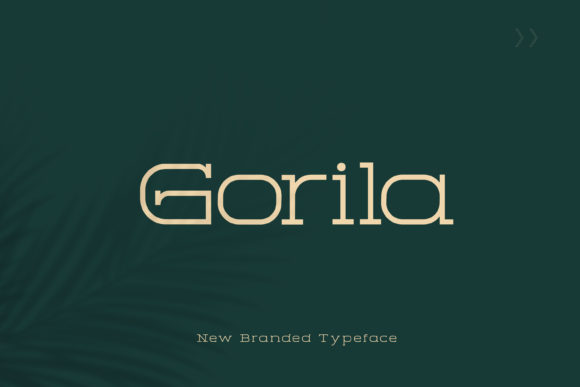
Gorila is a premium font with a distinct character. It belongs to the slab serif category, which means it has thick, block-like serifs that give it a strong, confident presence. But unlike many slab serifs that can feel heavy or rigid, Gorila is surprisingly light and elegant. Its vintage aesthetic adds a touch of nostalgia, while its clean lines keep it modern and versatile.
The font has a personality that feels both warm and professional. It works well for businesses that want to stand out without being too flashy. Whether you're designing packaging, logos, or social media graphics, Gorila brings a sense of authenticity and style that resonates with customers.
Real-World Use Cases
I tested Gorila on a few different projects, and it performed beautifully. For a local candle seller, I used it on label designs. The font gave the labels a handcrafted, artisanal feel that matched the brand’s identity. On a café menu, it added a refined touch without overwhelming the reader. And on a thank-you card for an online shop, it made the message feel more personal and thoughtful.
One of the most impressive things about Gorila is how it adapts to different sizes and formats. On small product tags, it remains readable. On large banners, it commands attention. It’s especially effective for headlines, short phrases, and logos—where its boldness and charm shine through.
Why Typography Matters for Small Businesses
Typography isn’t just about aesthetics—it’s about communication. The right font can make a business look more polished, consistent, and trustworthy. When customers see a well-designed logo or packaging, they subconsciously associate it with quality and care.
Gorila helps create visual consistency across all brand materials. Whether it's a website banner, a social media post, or a printed flyer, using the same font across platforms builds recognition and reinforces brand identity. This consistency is crucial for small businesses looking to build trust and loyalty with their audience.
Practical Tips for Using Gorila
When working with Gorila, keep in mind that it’s best suited for display text rather than long paragraphs. It works great for headlines, titles, and short phrases but may not be ideal for body copy. For larger blocks of text, consider pairing it with a clean sans serif font like Montserrat or Open Sans to maintain readability.
For print materials, ensure the font is high resolution and properly formatted. On digital screens, test it at different sizes to make sure it looks sharp on mobile devices and social media thumbnails. If you’re designing for an online shop, use Gorila on banners, product titles, and promotional graphics to create a cohesive visual language.
Font Pairing Ideas
Gorila pairs well with a variety of other fonts. For a balanced look, try combining it with a simple sans serif for body text. For a more elegant feel, pair it with an old-style serif like Georgia or Garamond. If you want to add a personal touch, consider using a script or handwritten font for accents or callout text.
Remember to check the font’s file formats, weights, and licensing before using it for commercial purposes. Some fonts come with multiple styles, such as bold, italic, or alternate characters, which can expand your design options.
As a creative consultant, I’ve seen how a single font can transform a brand. Gorila isn’t just another typeface—it’s a tool that helps small businesses express their unique voice. Whether you’re updating packaging, redesigning a menu, or building a new online presence, Gorila offers a timeless, stylish solution that stands out from the crowd.